Strata & Common Area Cleaning
Strata & Common Area Cleaning in Perth
Dependable common-area cleaning for strata managers and body corporates — lobbies, lifts, stairs, bins and car parks, with clear reporting.
- $20M public liability insured
- Police-checked crews
- WA owned & operated
OVERVIEW
Who it's for
Common-area cleaning covers apartment schemes and mixed-use buildings across Perth — lobbies, lifts, stairwells, corridors, bin rooms and car parks that every resident and visitor passes through. It also covers a segment most Perth cleaning contractors ignore entirely: commercial and industrial strata, the multi-unit warehouse and workshop complexes with shared driveways, bin areas and car parks that still fall under the same strata rules as a residential scheme, just with a different kind of tenant.
Whoever the owners are, the common property in a strata scheme belongs to everyone and to no one in particular, which is exactly why it tends to be neglected without a dedicated contractor. A lobby that looks tired, a stairwell with a lingering bin smell, or a car park with an oil stain nobody has dealt with reflects on the whole building and, at the next AGM, on the strata company that is responsible for it.
We work directly with strata managers and committees rather than through a subcontract layer. Scope, frequency and access are agreed at a walkthrough, and every visit is reported so a committee member or strata manager who was not on-site still has a record of what was done.
Strata managers, strata companies and building managers needing dependable common-area presentation across apartment schemes, mixed-use buildings and commercial/industrial strata complexes.
WHAT WE DO
What's included
- Lobbies, foyers and entryways
- Lifts, stairwells and corridors
- Bin rooms and waste areas
- Car parks and common grounds
- Internal common-area windows
- Scheduled service with completion reporting
Common areas
- Lobby, foyer and entry glass
- Lifts, stairwells and corridors
- Fire egress path checks and obstruction reporting
Amenities & waste
- Bin rooms — wash-down and odour control
- Consumable checks in shared amenities
External areas
- Car park sweeping and spot cleaning
- Common grounds and pathways
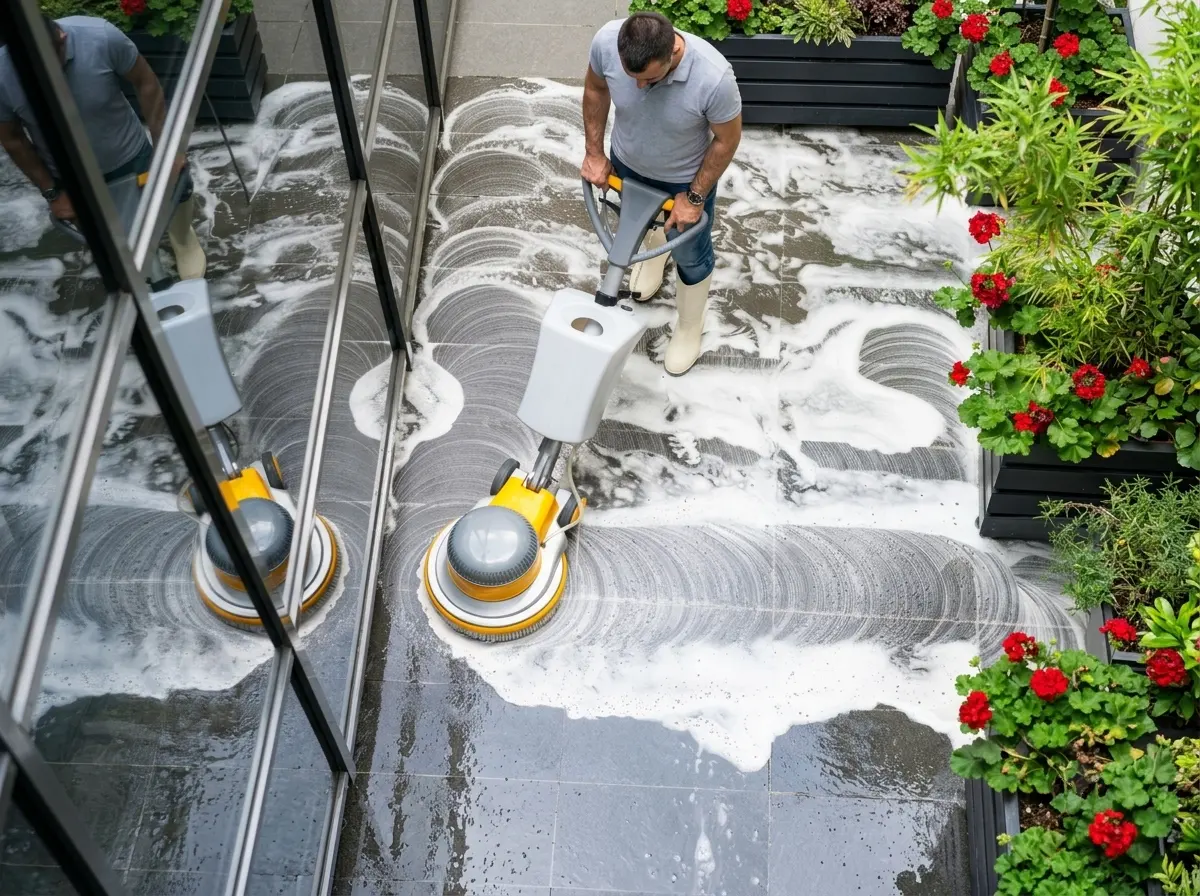
- Periodic pressure cleaning of hardstand and car parks
Reporting
- Completion confirmation after each scheduled visit
- Photographed and dated obstruction or damage reports
Pricing is based on site size and scope. Price on application — request a quote for a clear, fixed price after a site walkthrough.
COMMON PROBLEMS
Common problems we solve
- Bin room odour, pests and resident complaintsBin rooms are cleaned and washed down on a set frequency rather than left until a resident complains, which keeps odour and pest-attracting residue from building up between visits.
- Dumped goods and rubbish in stairwells and fire egress pathsEgress paths are checked and cleared of rubbish and dumped items at every visit, with obstructions photographed and reported so the strata manager or committee has a dated record.
- Lift touchpoints and buttons showing heavy daily wearLift interiors, buttons and handrails get attention every visit — a high-touch area that residents notice immediately when it slips.
- Oil staining and sediment building up in car parksLitter and sediment are swept and removed before any wet cleaning, and oil stains are treated as a spot task rather than hosed toward the nearest drain — the compliant way to handle a car park, not just the quickest.
- Graffiti on stairwells, lobbies and car park wallsRemoved with a method matched to the surface underneath, so the removal does not mark or damage the substrate.
- Inconsistent standards judged at the AGMThe same crew learns the building and holds a consistent standard, and completion reporting gives the committee something concrete to point to when cleaning comes up at the AGM.
AT A GLANCE
Frequency and scope
| Zone | Typical band | Notes |
|---|---|---|
| Lobby & entry | Daily to several times weekly | Highest-visibility area to residents and visitors; usually the top priority in the schedule |
| Lifts | Daily to several times weekly | High-touch buttons and handrails; frequency often set higher in larger schemes with more lift traffic |
| Stairwells & corridors | Weekly to fortnightly | Includes an egress-clear check each visit regardless of the wash-down frequency |
| Bin rooms | Weekly, wash-down less often | Bin areas are the highest odour and pest-risk zone in most schemes; frequency reviewed if complaints arise |
| Car park (pedestrian areas) | Fortnightly to monthly | Sweeping and spot cleaning; full pressure clean is a periodic, separately scoped job |
| Common grounds & external areas | Fortnightly to monthly | Scope varies widely by scheme size and whether grounds maintenance is contracted separately |
This is our scope of work agreed with your strata manager or committee — it is conventional practice, not a standards-derived schedule. Actual frequency depends on the scheme, budget and AGM-approved program.
| Legitimate for a cleaner | Requires licence or accreditation — not a cleaner |
|---|---|
| Keep egress paths, stairwells, corridors and fire-stair landings clear of rubbish and dumped goods | Servicing, testing or tagging fire extinguishers, hose reels or fire blankets |
| Report and photograph obstructions — dumped furniture, bikes, prams, propped fire doors — with a dated record | Inspecting or certifying fire doors and smoke doors |
| Avoid creating obstructions ourselves — no trolleys, cords or signage left blocking an exit | Testing emergency and exit lighting |
| Note doors that fail to self-close or latch, and escalate to the strata manager | Issuing any AS 1851 record, certificate or statement |
| Keep exit signage and emergency lighting lenses clean and visible | Any AS 1851 "routine service" activity |
We keep egress paths clear and report what we find — we do not perform any fire-safety servicing, testing or certification. That belongs to a licensed fire protection contractor.
HOW IT WORKS
How it works
Building walkthrough
We visit the property, document all common areas and agree what each scheduled clean covers — lobbies, lifts, stairs, bin rooms, car parks and grounds.
Schedule and access
We agree on a cleaning schedule that fits building occupancy patterns and document all access arrangements before work starts.
Scheduled delivery with reporting
The crew works to the agreed scope at each visit. Completion is reported so managers and committees have a record without needing to be on-site.
Responsive communication
Any defect, access issue or scope change is communicated directly to the owner — no helpdesk relay, no delays.
IN DETAIL
How we think about strata cleaning
Cleaning is how the strata company discharges its duty
Under the Strata Titles Act 1985 (WA), the strata company has a statutory duty to control and manage the common property for the benefit of all owners, and to keep it in good and serviceable repair. That duty sat in section 35 of the Act before the 2018 reforms and has sat in section 91 since those reforms commenced on 1 May 2020 — a distinction worth knowing, because a number of strata pages and even some committee documents still refer to the old section number.
The practical effect is that cleaning common property is not a discretionary nice-to-have a strata company can defer without consequence. It is one of the ways the strata company actually discharges an ongoing legal duty, in the same way that building maintenance and repair are. That reframes a cleaning contract from a line item competing with other spending to part of how the strata company meets an obligation it already has — and it is a point almost no Perth strata cleaning page makes.
We are not a strata company or a strata manager, and this is not legal advice — a strata manager or lawyer is the right source for how the Act applies to a specific scheme. What we do is deliver the day-to-day cleaning and the reporting that gives a committee real evidence its common property is being maintained, which is useful whether or not the duty ever comes up formally.
Egress paths — what a cleaner may and may not do
Stairwells, corridors and fire-stair landings in a strata scheme are shared exit paths, and keeping them clear of dumped goods, rubbish and obstructions is a genuine safety issue as much as a presentation one. It is also an area where the boundary between ordinary cleaning and licensed fire-safety work matters, and where a cleaning contractor should be upfront about which side of that boundary it sits on.
Keeping a path clear of rubbish, reporting and photographing an obstruction, and noting a door that will not self-close are all things a cleaner can properly do and report on. Testing, tagging or certifying fire extinguishers, fire doors or emergency lighting is licensed fire-protection work under AS 1851, and it is not something we do or claim to do. We report what we see; a licensed fire-protection contractor handles what needs to be tested or certified.
Car parks and stormwater
A strata car park looks like a simple hose-and-sweep job, but the water has to go somewhere, and only rainwater is meant to end up in a stormwater drain. Detergent, oil, sediment and litter washed toward a gully are exactly the kind of discharge the Environmental Protection Act 1986 (WA) treats as an offence, and it is the strata company — as the party responsible for the common property — that carries the exposure, not just whoever happened to hose the area down.
The compliant approach is to dry-sweep and remove litter and sediment before any water goes down, block or bund the stormwater gully before washing, and capture and recover wash water rather than letting it run to the drain. Oil and hydrocarbon stains are treated as a spill or absorbent task, not a hose-down job, and detergent is never used where the runoff could reach stormwater. Where a car park needs a full pressure clean, that connects directly to our pressure washing service, which is built around the same trade-waste and stormwater rules.
The reporting layer
Every scheduled visit produces a record — whether egress paths were clear or obstructed, any obstructions photographed and dated, consumable levels in amenities, damage or graffiti noted, any pest-conducive conditions observed, and lighting outages flagged. That record is what turns "the cleaner was here" into something a committee or strata manager can actually point to when cleaning or maintenance comes up for discussion.
This kind of reporting is genuinely uncommon in the Perth strata cleaning market. We are building it into how we run scheduled strata contracts, and the specifics of format and frequency are confirmed with each strata manager at the outset.
STANDARDS & COMPLIANCE
Standards & compliance we work within
Environmental Protection Act 1986 (WA) and the Environmental Protection (Unauthorised Discharges) Regulations 2004 (WA)
- Who it binds
- The strata company or occupier responsible for the site
- What it requires
- It is an offence to discharge pollutants — including detergent, oil and sediment-laden wash water — into the stormwater system. DWER is the state regulator, and local governments also enforce via health and nuisance provisions.
- What we do
- We dry-sweep and remove litter and sediment before any wet cleaning, block or bund stormwater gullies before washing, and avoid detergent use where runoff could reach a drain.
We do not treat, transport or dispose of contaminated wash water — that requires a DWER controlled waste carrier licence, which we do not hold.
Water Corporation trade waste requirements
- Who it binds
- The strata company or site owner
- What it requires
- Contaminated wash water is discharged to sewer under a trade waste permit, not to stormwater — the compliant route for wash water from car park and hardstand cleaning.
- What we do
- We plan our washdown method around these rules and avoid uncontrolled discharge, but the trade waste permit itself sits with the site owner.
We do not hold or apply for your site's trade waste permit.
Work Health and Safety Act 2020 (WA)
- Who it binds
- The PCBU responsible for a workplace within the scheme, and Genre Solutions while our crew is on site
- What it requires
- Keeping an exit clear is a practical WHS duty wherever part of a strata scheme functions as a workplace or shared common area, alongside the building-specific egress obligations.
- What we do
- Egress paths are checked and cleared as part of every scheduled visit, and obstructions are reported rather than left for the next inspection.
Standards information current as at July 2026.
HOW THIS IS PRICED
How this is priced
- Number of lots, storeys and lifts in the scheme
- Visit frequency for each common-area zone
- Number and size of bin rooms
- Car park area and whether periodic pressure cleaning is included
- Whether a periodic item sits in the administrative fund or the reserve fund
- Access arrangements and any resident or committee scheduling requirements
Price on application — request a quote for a clear, fixed price after a site walkthrough.
WHY GENRE
Why Genre Solutions
- Reporting & reliabilityScheduled service with completion reporting so managers and owners always know the work is done — no chasing, no uncertainty.
- Body corporate complianceInsurance certificates and compliance documentation are available on request — the paperwork strata managers need to satisfy committee requirements.
- Full common-area scopeLobbies, lifts, stairwells, bin rooms, car parks and common grounds — managed under one program so nothing falls through the cracks between contractors.
Related services
- Pressure WashingPeriodic car park, driveway and common-area pressure cleaning.
- Office CleaningCleaning for commercial tenancies within a strata scheme.
- Carpet CleaningPeriodic carpet cleaning for common-area foyers and corridors.
- End of Lease CleaningVacate cleans for tenancies within a strata building.
Before & After
- Before
 After
After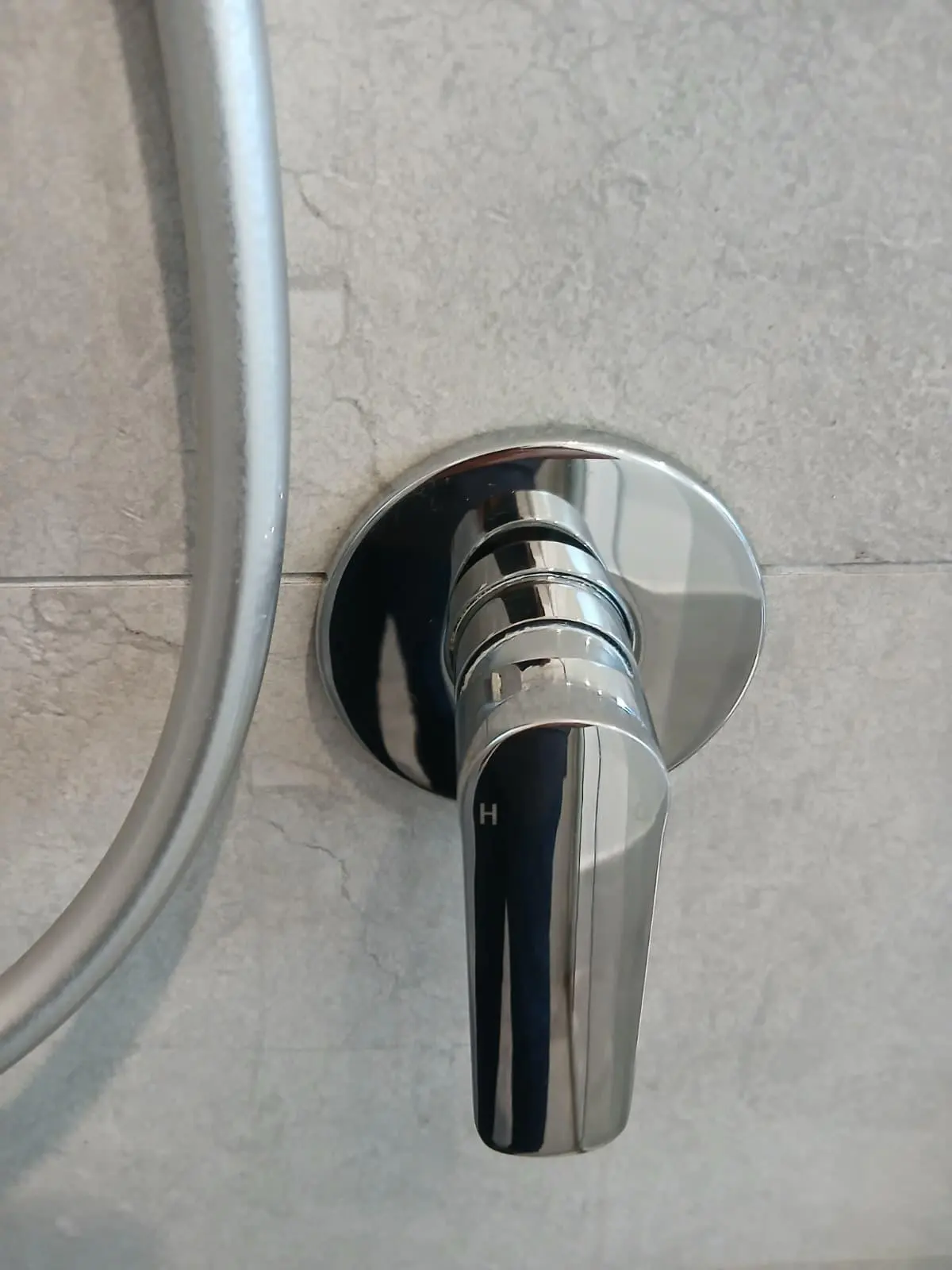
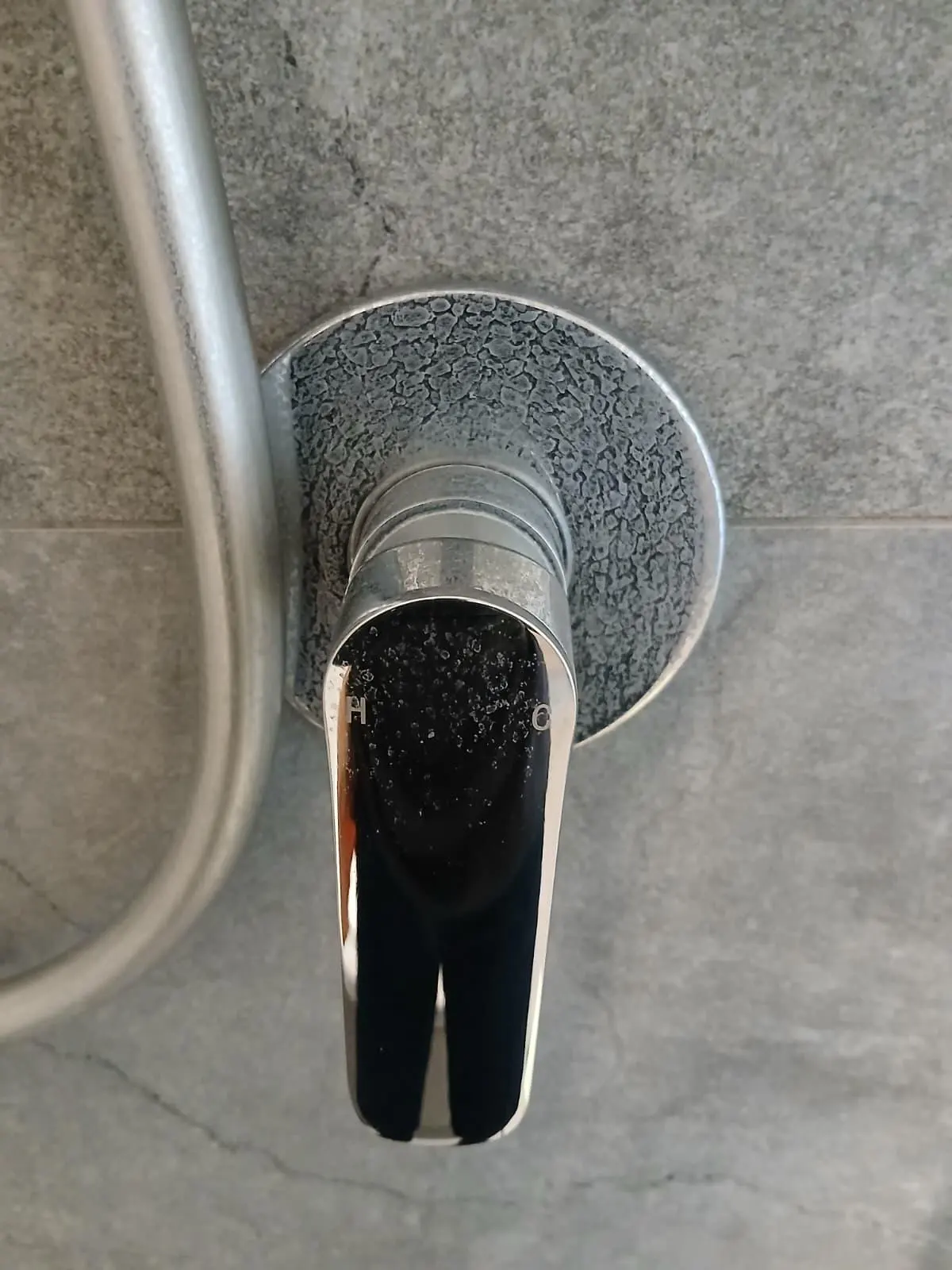
Bathroom fittings descale
Insured & police-checked
- WA owned & operated
- $20M public liability insured
- Police-checked crews
- WHS & safety-first
- Perth-based, locally operated
- After-hours available
Strata cleaning FAQ
Will I get the same cleaners each visit?
Will I get the same cleaners each visit?
Does strata cleaning have anything to do with the Strata Titles Act?
What common areas do you clean?
Do you clean commercial or industrial strata complexes?
Can you keep fire egress paths clear?
How do you handle car park cleaning and stormwater rules?
Do you handle pest control in bin rooms or common areas?
How does completion reporting work?
Are you insured for strata and common-area work?
How is strata cleaning priced?
Can cleaning proposals be structured for an AGM?
Do you hold Strata Community Association membership?
Request a quote
Price on application — request a quote or a free site walkthrough and we'll give you a clear, fixed price.