Gym & Fitness Centre Cleaning
Gym & Fitness Centre Cleaning in Perth
Hygiene-focused cleaning for gyms and fitness centres in Perth, keeping high-touch equipment, change rooms and floors presentable for members.
- $20M public liability insured
- Police-checked crews
- WA owned & operated
OVERVIEW
Who it's for
Member experience in a gym is decided in a handful of places: whether the equipment feels clean when a hand goes on it, whether the change rooms and showers smell right first thing in the morning, and whether the floor looks cared for. None of that is complicated, but all of it is easy to let slip when a facility is trading long hours and cleaning has to happen around live sessions rather than instead of them.
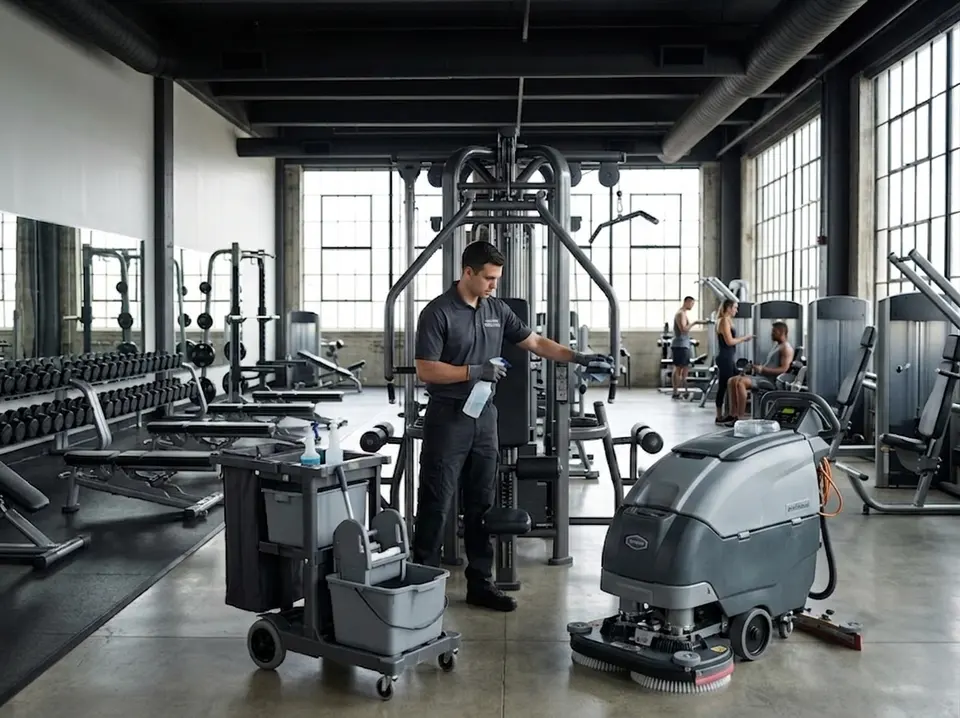
We clean fitness facilities across Perth — standalone gyms, boutique studios and multi-purpose fitness centres — on a schedule built around your opening hours: before open, after close, or in a quiet window between session blocks. The work covers equipment touchpoints, mats and rubber flooring, change rooms and wet areas, mirrors and glass, and general amenities, in a sequence that keeps the space usable while it's happening.
One thing we'd rather say upfront than let a competitor's marketing imply: there is no Australian Standard and no AUSactive standard covering gym hygiene or cleaning. AUSactive — the 2022 rebrand of Fitness Australia — publishes a voluntary National Code of Practice, but it covers business conduct, consumer agreements and contract terminations, not hygiene. Any page claiming 'AUSactive compliant cleaning' or a 'gym hygiene standard' is describing something that doesn't exist. We'd rather be accurate about what we're actually doing well.
Gym owners, fitness studios and fitness centre managers.
WHAT WE DO
What's included
- Equipment and high-touch-point sanitising
- Change rooms, showers and amenities
- Hard floors and matted areas
- Mirrors and glass
- Reception and common areas
- Carpet and upholstery maintenance as an add-on
Pricing is based on site size and scope. Price on application — request a quote for a clear, fixed price after a site walkthrough.
COMMON PROBLEMS
Common problems we solve
- Change rooms and showers smelling off by mid-morningWet areas get cleaned as a daily-minimum zone, not an afterthought — this is the one part of a gym where the hygiene case is genuinely well supported by evidence, and it gets treated that way.
- Equipment touchpoints looking used between sessionsHandles, consoles, benches and pads are wiped down on a frequency matched to throughput, so equipment looks and feels cared-for whether it’s the first session of the day or the last.
- Rubber flooring dulling, staining or softening over timeWe stay within the neutral pH band the flooring manufacturer specifies rather than reaching for whatever is strongest, which protects the flooring rather than degrading it faster.
- Cleaning that gets in the way of classes and PT sessionsCleaning windows are set around your timetable — before open, after close or between blocks — so members and trainers are not working around us.
- One bad review about a dirty facility outweighing a good class programPresentation in the areas members actually notice — floors, mirrors, wet areas, touchpoints — is treated as the baseline every visit, not something that slips when the facility gets busy.
- Early-morning or after-hours access with nobody on siteInsured, police-checked crews handle key or alarm access for facilities that need cleaning outside staffed hours.
AT A GLANCE
A frequency guide by zone
| Zone | Typical frequency |
|---|---|
| Equipment touchpoints (handles, consoles, benches) | Daily minimum; multiple times daily at high-throughput sites |
| Change rooms, showers and wet areas | Daily minimum — the genuinely evidence-supported hygiene priority |
| Rubber flooring | Daily vacuum or dust-mop; periodic neutral-pH scrub per manufacturer guidance |
| Mats | Daily wipe-down; periodic deeper clean |
| Toilets | Daily minimum, higher at 24-hour sites |
| Mirrors and glass | Daily spot clean |
This is our scope of work, driven by throughput and opening hours — there is no Australian Standard or AUSactive standard setting gym cleaning frequency.
HOW IT WORKS
How it works
Quote your facility
Tell us your floor area, equipment density, change room configuration and cleaning frequency. We quote based on the actual scope.
Schedule around sessions
We agree a cleaning window that works with your opening hours — before open, after close or on designated quiet periods.
Work through the space in sequence
Equipment touchpoints, floors and mats, then change rooms, showers and amenities, in a consistent order each visit.
Flag anything unusual
A damaged surface, a low consumable, a flooring issue — noted and passed on so you can act before a member does.
IN DETAIL
How we think about gym hygiene
The real risk is wet areas, not equipment surfaces
Swabbing studies do find bacteria on gym equipment — that's not in dispute. What's missing from most of the scare-marketing built on those studies is that presence of an organism on a surface is not the same thing as a documented transmission risk. A widely cited 2011 study cultured 240 surfaces across three gym facilities before and after cleaning and found none positive for MRSA or MSSA, concluding that gym surfaces do not appear to act as a reservoir for staphylococci and that surface-to-skin contact in gyms is unlikely to play a significant role in community transmission. We think that's a more honest starting point than the equipment-panic angle most gym cleaning pages lead with.
The area where the evidence for a real risk is genuinely solid is wet areas — communal showers and areas around pools are classic sites for picking up tinea (athlete's foot), because the fungus that causes it thrives on damp floors. That's where we put the daily-minimum attention, rather than treating every surface in the building as an equal infection risk.
Rubber flooring — staying inside the manufacturer’s band
Gym rubber flooring is cleaned by vacuuming or dust-mopping loose debris, scrubbing periodically with a soft nylon brush or pad, then wet-vacuuming, rinsing and drying — and manufacturer guidance for this flooring type states that any neutral pH cleaner, in the 7 to 9 range, is acceptable. We keep our product choice inside that band as a matter of course, because harsh solvents can cause rubber to swell and soften over time, which is a warranty risk as much as a cosmetic one. We’d rather make the positive claim we can stand behind — that we stay in the neutral range the flooring is designed for — than repeat unverified warnings about specific cleaning chemicals that we can’t trace to a manufacturer source.
Equipment cleaning — why we don’t promise one blanket method
Cardio and strength equipment manufacturers publish their own cleaning guidance, and it doesn't always agree between brands — mild detergent solutions for frames and upholstery, isopropyl alcohol mixes for consoles, no ammonia-based glass cleaners on plexiglass guards, no solvents on painted parts, and observing the product's stated contact time before wiping off. Because manufacturers genuinely conflict with each other on specifics, we don't make a blanket claim to 'follow all manufacturer protocols' across every brand of equipment in a facility — instead we ask what's on your floor and clean accordingly, which is a more honest position than a one-size-fits-all promise.
HOW THIS IS PRICED
How this is priced
- Floor area and equipment density
- Number of change rooms, showers and wet areas
- Flooring type — rubber, hard floor, matted areas
- Opening hours and available cleaning windows
- Cleaning frequency — daily, several times weekly, or scheduled around classes
- Key, fob or alarm access requirements outside staffed hours
Price on application — request a quote for a clear, fixed price after a site walkthrough.
WHY GENRE
Why Genre Solutions
- Honest about what standards actually applyNo Australian Standard or AUSactive standard governs gym hygiene — we say so, and focus on the areas where the hygiene case genuinely holds up: wet areas, touchpoints and floor care.
- Consistent crew, consistent standardThe same team learns your facility layout and expectations, so quality doesn’t depend on whoever turned up that day.
- Scheduled around your sessionsEarly morning, late evening or your quiet windows — cleaning happens with minimal disruption to members and trainers.
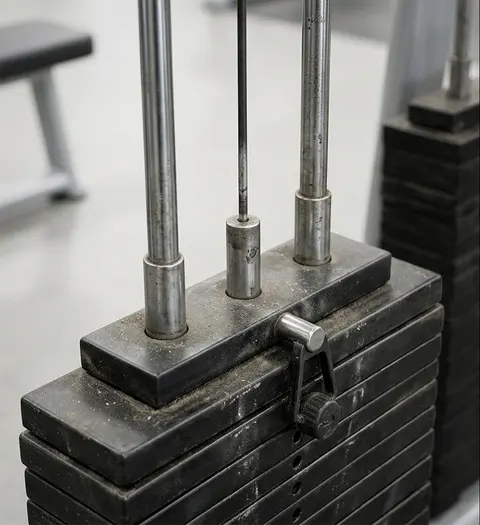
Before & After
- Before
 After
After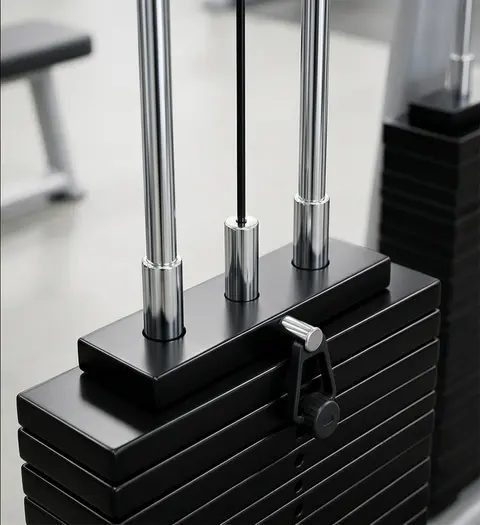
Gym floor deep clean
Insured & police-checked
- WA owned & operated
- $20M public liability insured
- Police-checked crews
- WHS & safety-first
- Perth-based, locally operated
- After-hours available
Gym cleaning FAQ
Is there an Australian or AUSactive standard for gym hygiene?
Is gym equipment actually a big infection risk?
How often are change rooms and showers cleaned?
Do you use bleach or harsh chemicals on gym equipment?
Will cleaning damage our rubber flooring?
Can you clean before opening or after closing?
Do you handle pool or spa water treatment?
How do your crews access the facility outside staffed hours?
Do you clean equipment touchpoints during opening hours?
What’s included in a standard gym clean?
Request a quote
Price on application — request a quote or a free site walkthrough and we'll give you a clear, fixed price.